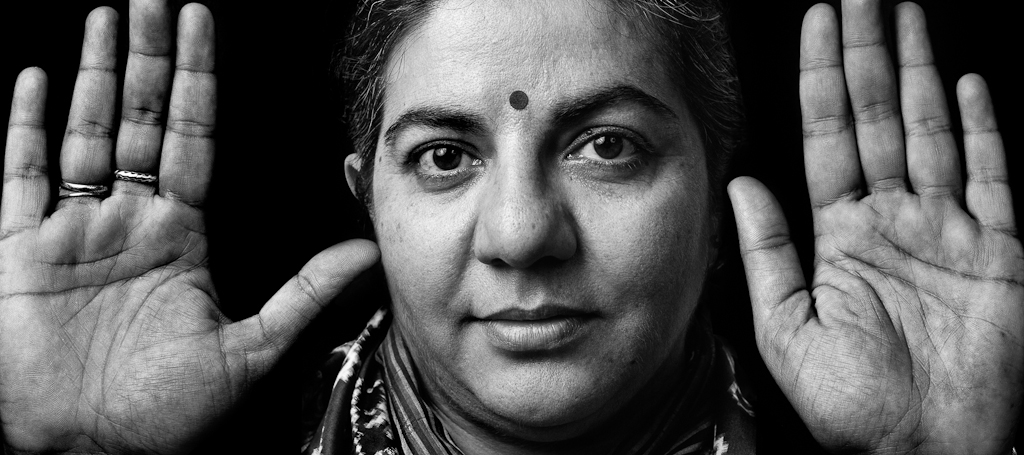
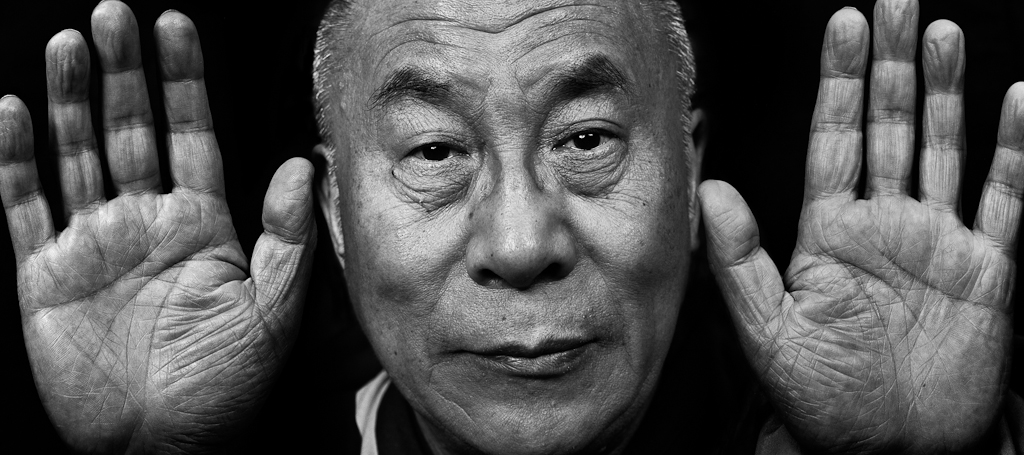
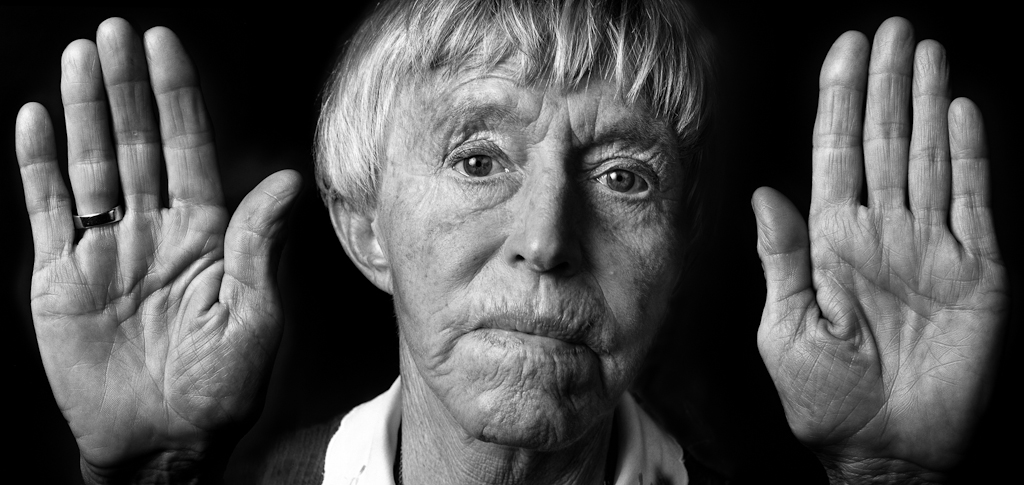
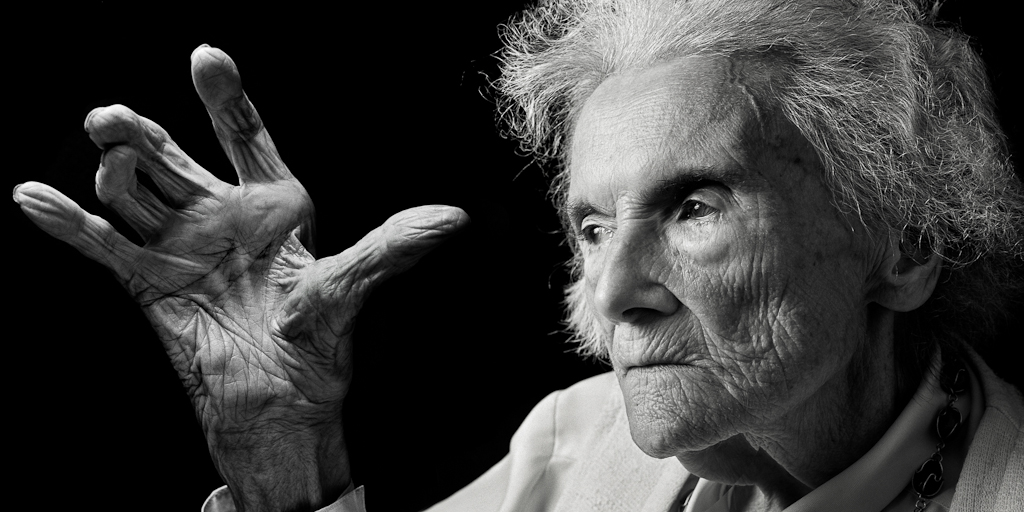
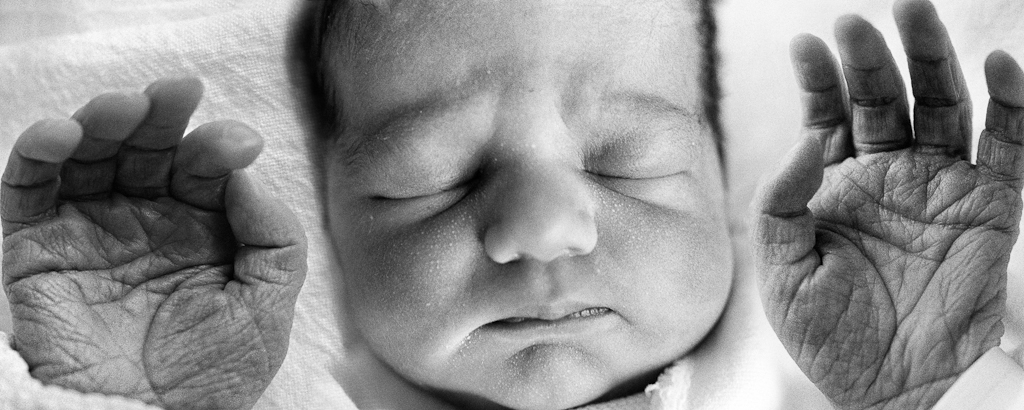
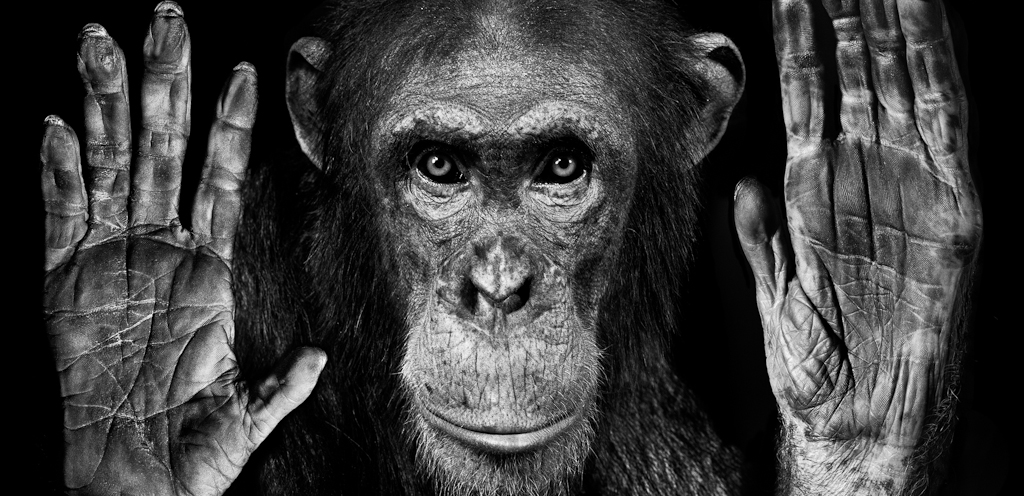
Hands
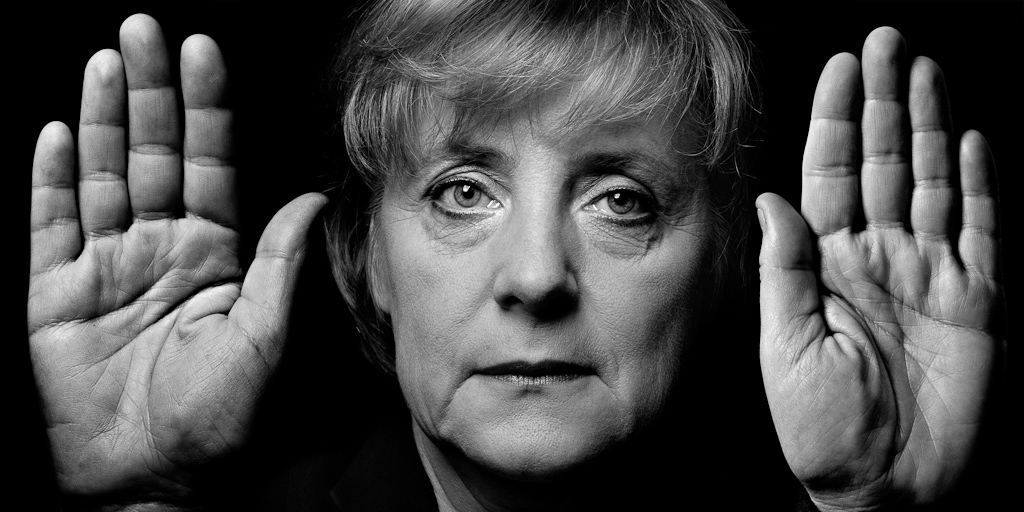
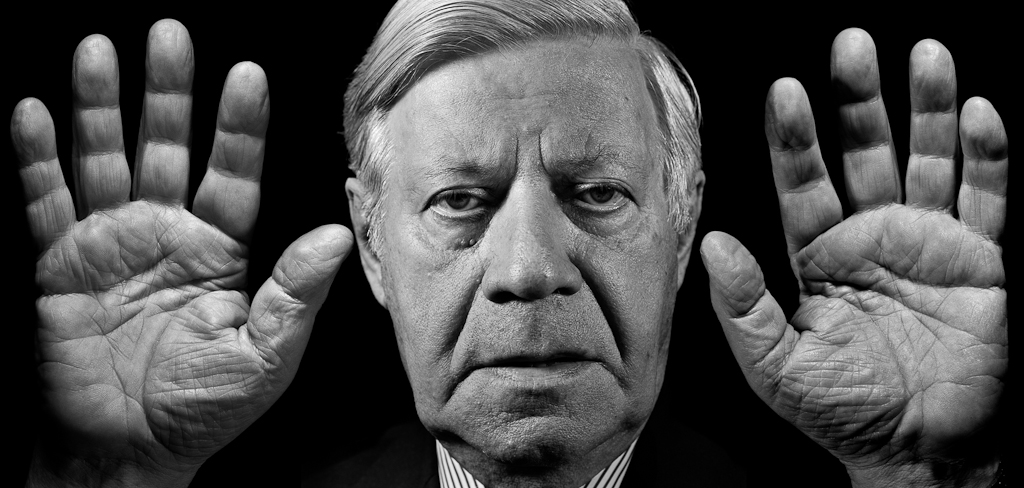
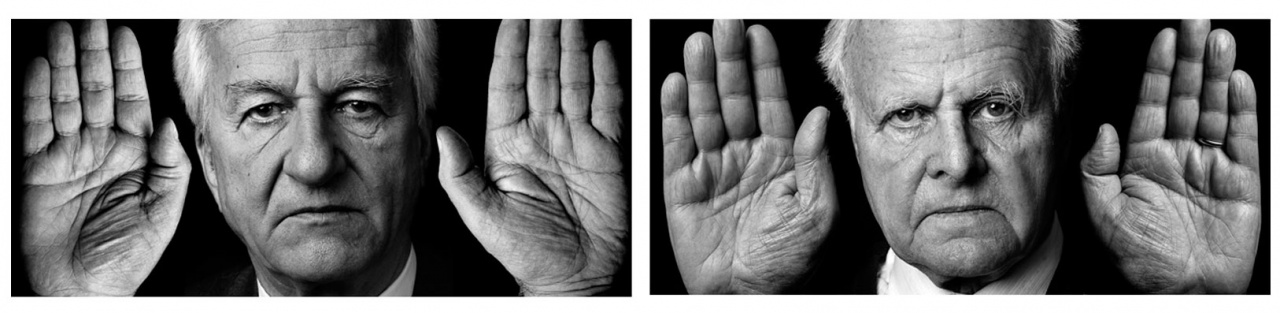
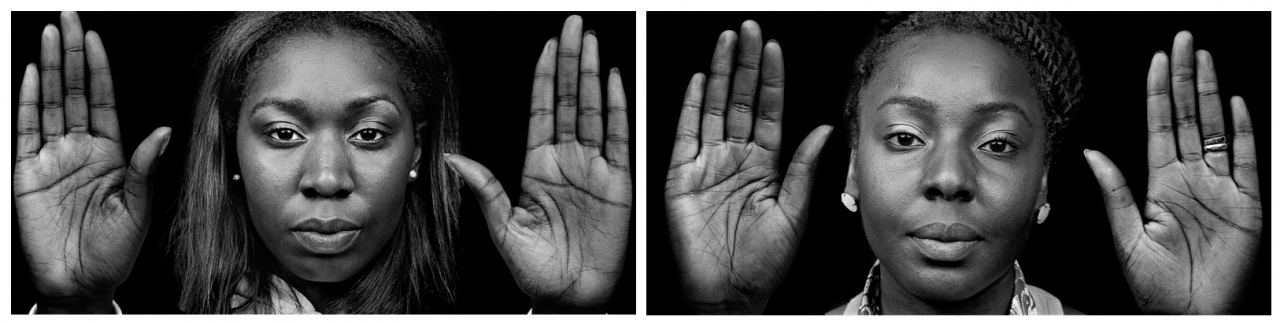
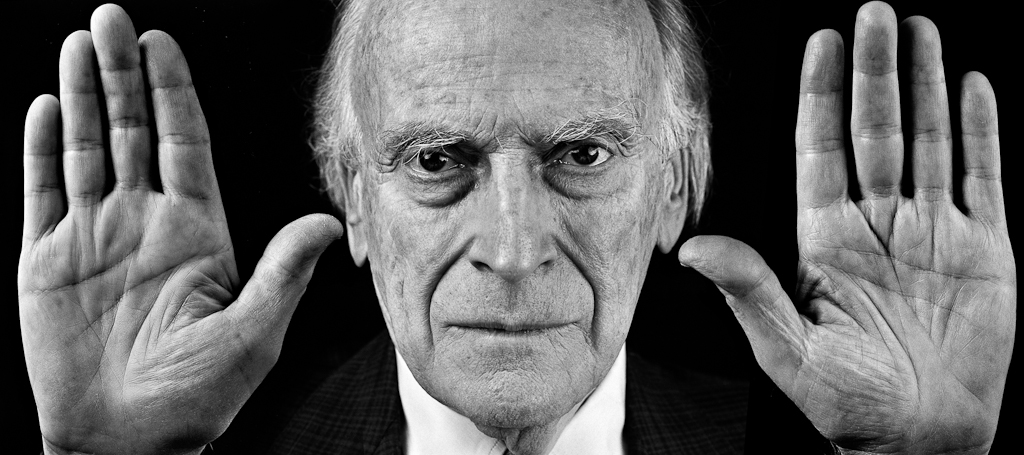
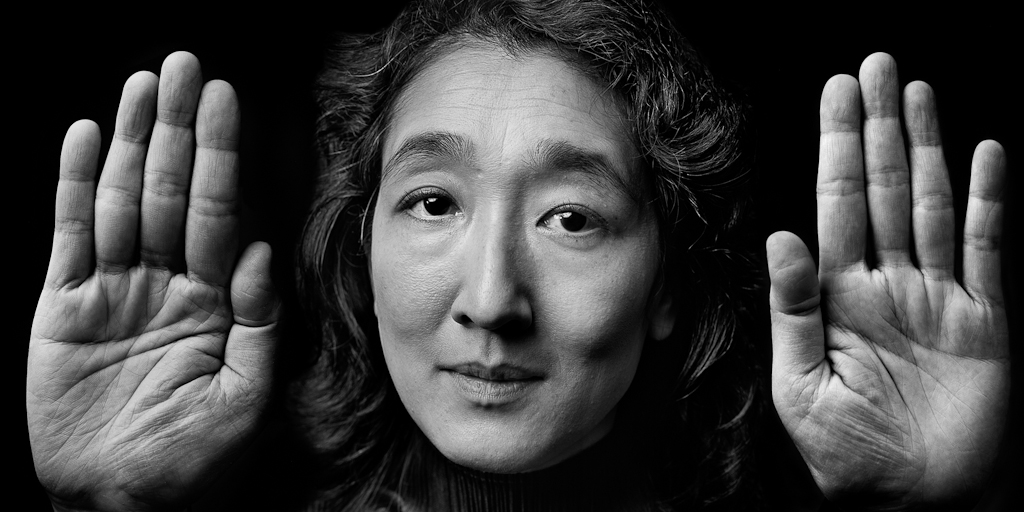
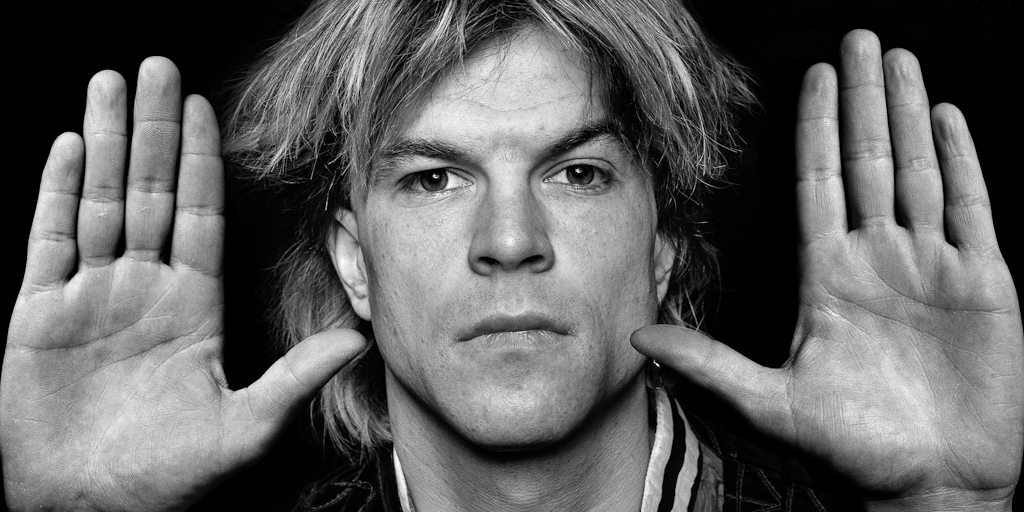
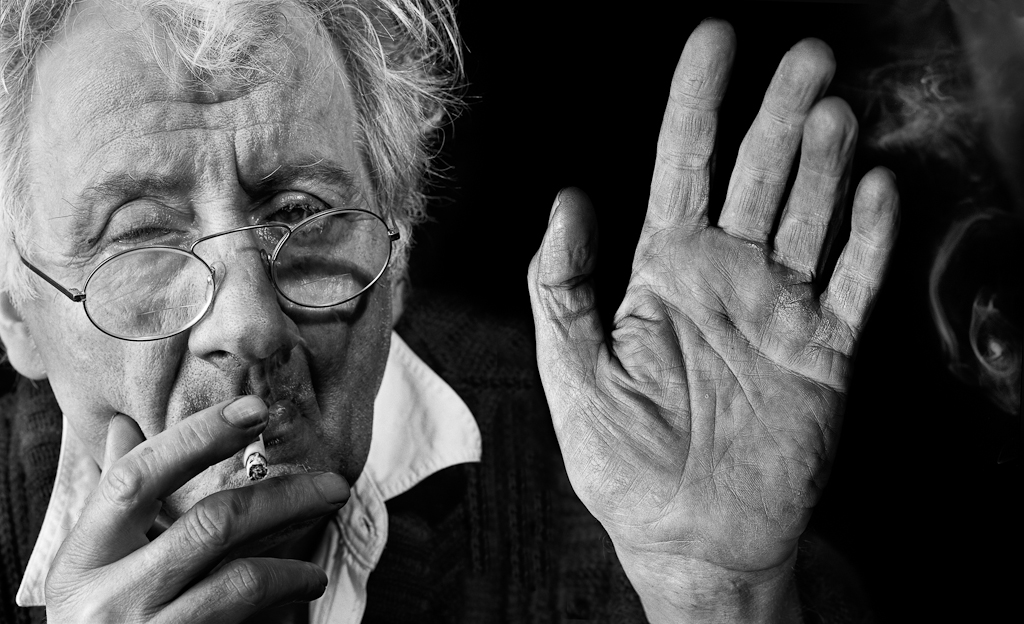
HANDSI have been fascinated by hands for as long as I can remember. When I think of my parents and my five siblings, all of whom have passed away, I can clearly picture their hands before me. My father’s heavy, work-worn hands, as he drove a lorry delivering flour and hauled the hundred-pound sacks up to the bakers’ lofts. My mother’s strong, almost masculine hands, equally marked by the strain of daily labour. My eldest sister Martha had almost coarse, bony hands; she was very devout, self-sacrificing, prayed and fasted. Rita’s hands were more delicate, but not soft either. She was more inclined to enjoy life, but didn’t quite dare to. My brother Norbert had more sensual, soft hands. He played the zither and flute in a band and was a good dancer. Helmut had my father’s strong hands, yet he chose a profession where they were of no use: tailor. Only of Gottfried’s hands do I have no memory; he fell in the war when I was four or five years old. Even as a child, I used to ponder how different our hands were, even though we had the same parents.
People often say that hands reveal something about a person. I don’t like that saying. Hands don’t reveal anything. However, they do make certain things visible, just as a person’s face, ears or irises do, or a blood test or genetic analysis. For they are part of the individual’s physical expression of their genetic makeup. That said, one would probably be less inclined to publish the results of a genetic analysis. Our faces and hands, on the other hand, are something we carry around with us in plain sight. Studying palm lines, including my own, has helped me to accept myself as the person I am, with all my traits, even those I reject.
At first, I was often too shy to express my wish to photograph the hands as well during a portrait session, because I knew most people would want an explanation for it. I was in New York at Andy Warhol’s Factory. We got on well, but I didn’t dare ask him if I could photograph his hands. Afterwards, I regretted being so cowardly. In earlier times, it was taken for granted that one would not only take a portrait of the face of figures from contemporary history, but also of their hands. Goethe, Stravinsky, Stalin – there are plaster casts, handprints or drawings of their hands for all of them.
Today, when asked why, I simply say: Because it interests me. Because it is a document. Because people have been interested in hands for thousands of years, and because they will probably continue to be so in the distant future.
From: Walter Schels: Hände. Mit Texten von Beate Lakotta, S.Fischer, Frankfurt, 2016
titel, thesen, temperamente (VIDEO)
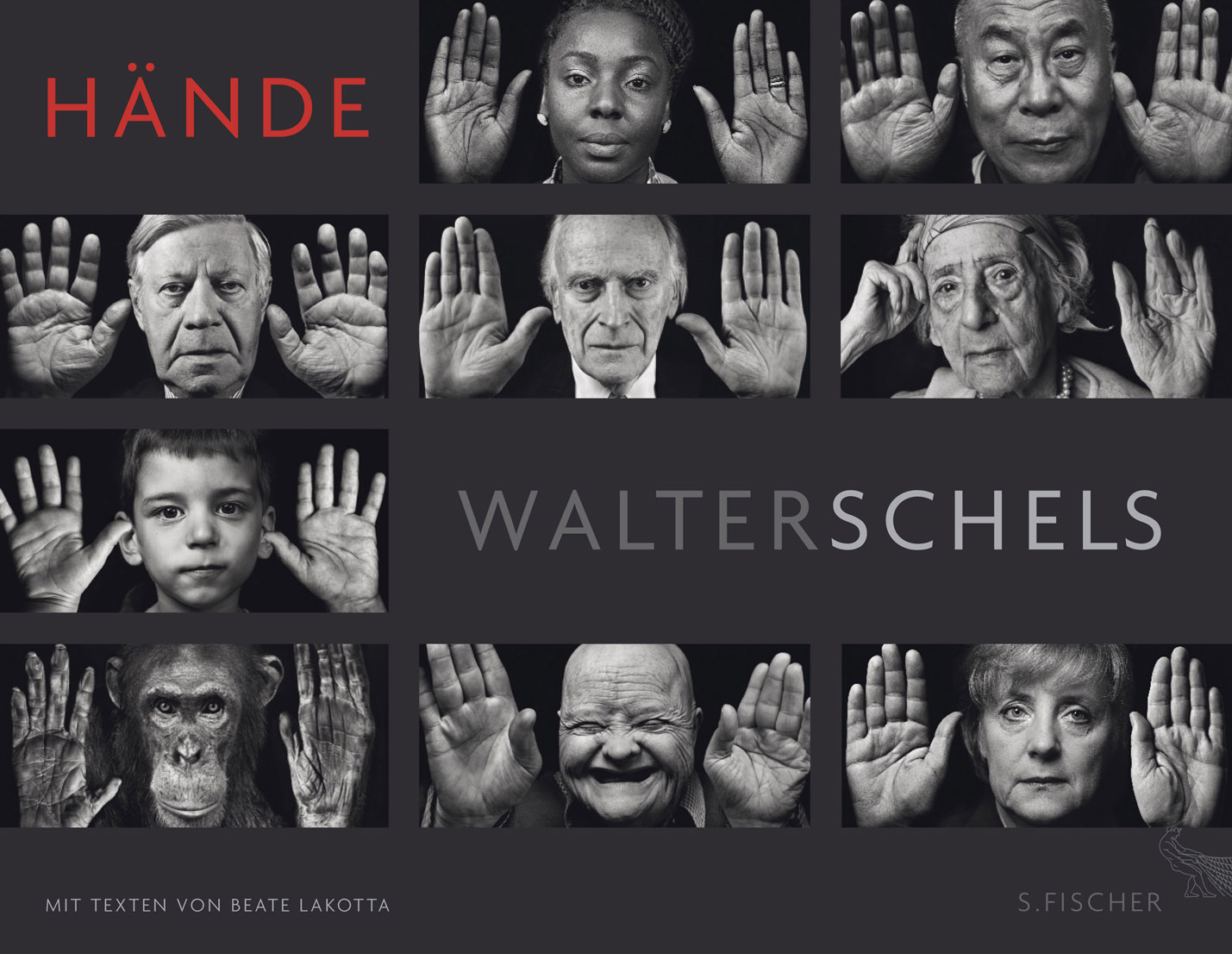
zum Buch